Stunning Lunar Eclipse of 2026: Witness the Blood Moon’s Grand Display
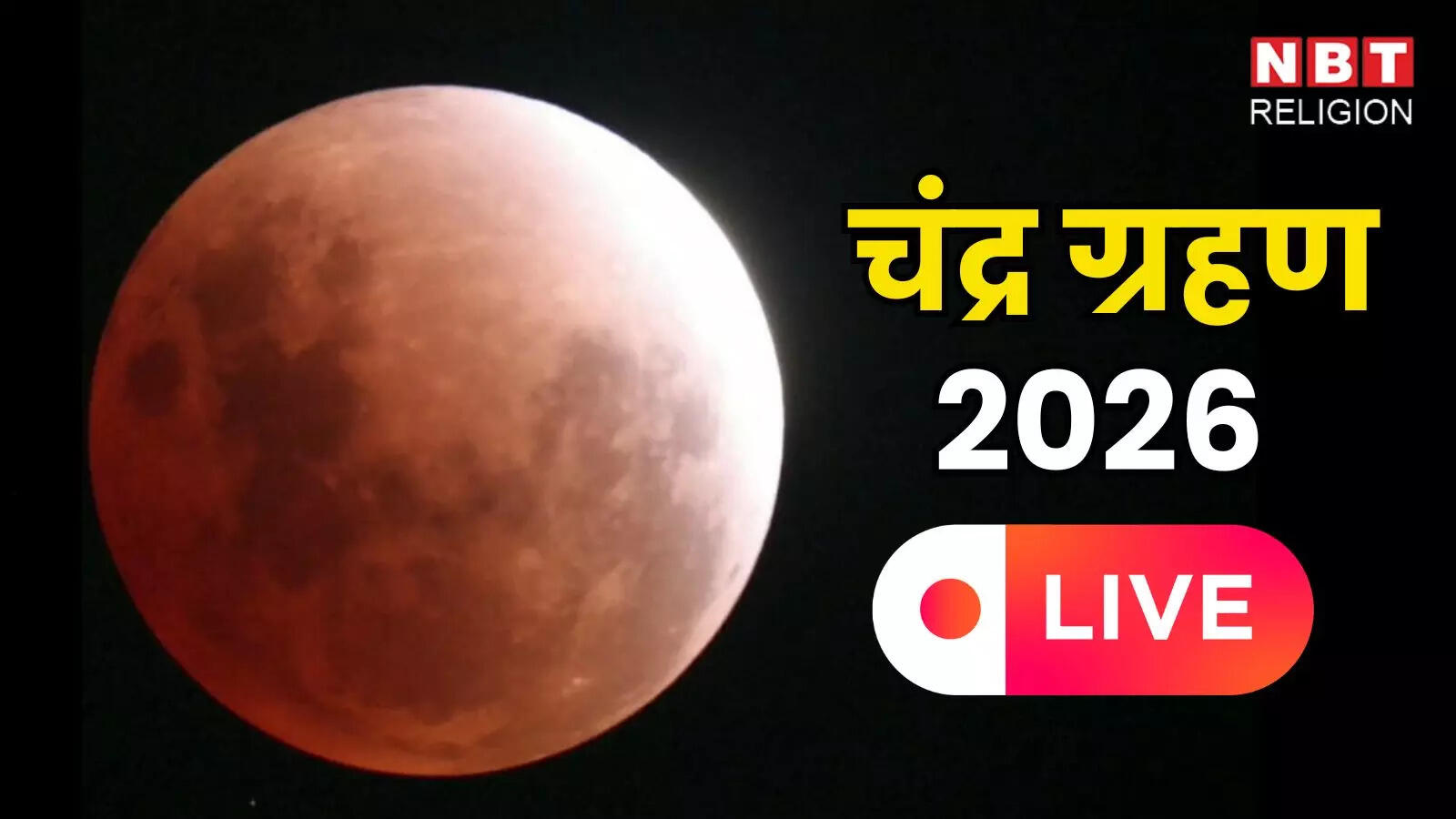
A spectacular lunar eclipse, the first major one of 2026, is gracing the skies today, March 3rd. This celestial event began at 3:21 PM and will last for approximately 3 hours and 27 minutes. The eclipse is visible across India, with the northeastern state of Arunachal Pradesh being the first to witness its beginning. The peak of the eclipse, where the moon takes on a reddish hue known as the ‘Blood Moon’, is a sight to behold. This phenomenon occurs when the Earth passes directly between the sun and the moon, casting a shadow on the lunar surface. While the scientific explanation is straightforward, many cultures attach religious significance to eclipses. The ‘Sutak’ period, considered an inauspicious time, began 9 hours before the eclipse, at 6:21 AM today, according to traditional beliefs. During this time, certain practices are advised against, particularly for pregnant women. These include avoiding sharp objects, cooking, and consuming stimulating substances. General advice suggests refraining from unnecessary eating, drinking, and idle chatter. Conversely, the period is considered auspicious for spiritual practices. Worshipping Lord Chandra, chanting mantras, and making donations are encouraged. Bathing in holy places, especially pilgrimage sites, is also believed to be highly beneficial during an eclipse. For those concerned about daily routines, studying or reading books is not considered inauspicious and can even be beneficial if done with concentration. The eclipse will conclude at 6:47 PM. Those in Delhi NCR will experience the latter part of the eclipse after moonrise, with the total phase ending before sunset in some regions. The Blood Moon, a truly captivating spectacle, will be most visible in the northeastern states like Arunachal Pradesh, Assam, and Nagaland. The middle phase of the eclipse, when the moon is fully immersed in Earth’s shadow, began at 5:04 PM. The total lunar eclipse commenced at 4:34 PM, marking the start of the moon’s disk being obscured. The total phase itself will last for 59 minutes. While the eclipse is a global event, its visibility and timing vary by location. For instance, in Bihar, the eclipse will be visible at different times in cities like Patna (5:51 PM), Gaya (5:52 PM), Bhagalpur (6:24 PM), and Muzaffarpur (5:49 PM). In Rajasthan, timings include Jaipur (6:28 PM), Jodhpur (6:30 PM), Udaipur (6:38 PM), and Jaisalmer (6:50 PM). Madhya Pradesh cities like Indore (6:30 PM), Bhopal (6:24 PM), and Ujjain (6:23 PM) will also witness the event. Himachal Pradesh cities such as Shimla (6:21 PM), Manali (6:20 PM), and Dharamshala (6:24 PM) will see the eclipse at their respective times. The total lunar eclipse will end at 6:47 PM. After the eclipse concludes, temple doors will reopen, and evening rituals like aarti will resume. The scientific perspective offers a different view, with no prohibition on eating or drinking. However, exceptions are made for the sick and children, who may consume food and water. The divine spectacle of the Blood Moon is a reminder of the vastness and beauty of our universe. The lunar eclipse is a significant event, offering both scientific insight and cultural reflection.