
Hindu Leader Gayeshwar Roy’s Historic Win in Dhaka-3 Signals BNP’s Strong Return to Power
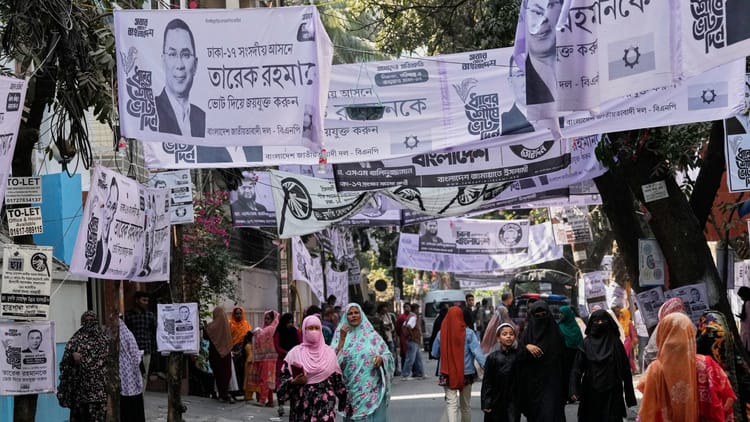
Gayeshwar Chandra Roy, a senior leader of the Bangladesh Nationalist Party (BNP) and a representative of the Hindu minority, has won the Dhaka-3 parliamentary seat. This is a major development in Bangladesh’s 13th national parliamentary elections. The state news agency reported that Roy defeated his closest opponent, Mohammad Shahinur Islam of Jamaat-e-Islami. Roy received 99,163 votes. This marks the first time a Hindu member of parliament has been elected from Dhaka since Bangladesh gained independence in 1971.
Hindu Minority Safety Concerns Add Weight to Roy’s Victory
Roy’s win comes amid reports of alleged attacks and mistreatment of the Hindu minority community in Bangladesh. Tensions rose in several areas after the murder of radical youth leader Sharif Usman Hadi in December. India has also voiced concerns about the safety of minorities, especially Hindus, in Bangladesh. In this context, the election of a Hindu leader from the capital region is seen as very important, both politically and socially.
Jamaat-e-Islami Candidate Loses in Khulna-1
In another contest, Krishna Nandi, the only Hindu candidate fielded by Jamaat-e-Islami, lost the Khulna-1 seat. Nandi received 70,346 votes. The BNP candidate, Amir Ejaz Khan, won this seat clearly with 1,21,352 votes.
BNP Secures Strong Mandate After Long Struggle
The Bangladesh Nationalist Party (BNP) has received a large mandate in the elections. These elections followed an 18-month period of political struggle for power in Bangladesh. Latest vote counts show the BNP has won a two-thirds majority. The alliance led by Jamaat-e-Islami has so far won only 73 seats.
Parliamentary Seats and Election Details
The Parliament of Bangladesh is called the Jatiya Sangsad. It has a total of 300 seats. Voting took place for 299 of these seats. Elections were delayed for the Sherpur-3 seat because a candidate died. A party needs 150 seats to have a majority. Additionally, 50 seats are reserved for women. These seats are given to parties based on how well they perform in the 300 general seats.