

India Navigates Oil Crisis: Strategic Moves to Secure Energy Future
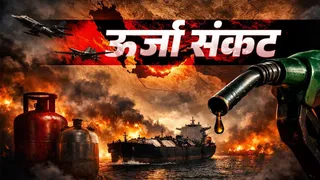
India’s Energy Security Under Pressure
The ongoing conflict in the Middle East is creating significant challenges for India’s energy supply. India relies heavily on imports for both crude oil and Liquefied Petroleum Gas (LPG). The war and potential disruptions to key shipping routes like the Strait of Hormuz are causing global energy prices to rise. This situation directly impacts India, a major energy consumer.
Understanding India’s Energy Imports
India imports about 90% of its crude oil. A large portion of its LPG and Liquefied Natural Gas (LNG) also comes from abroad, mainly from Gulf countries. As the world’s third-largest oil importer, India is closely watching these developments. Crude oil prices have seen sharp increases, reaching over $120 per barrel at one point, though they have since seen some moderation.
Key Strategies for India’s Energy Supply
India is taking several steps to manage the potential energy crisis and ensure a stable supply of cooking gas and fuel.
Boosting Domestic LPG Production
The government has directed oil refineries to increase the production of cooking gas (LPG). This aims to meet the needs of the country’s more than 33.1 crore LPG users. Refineries are instructed to maximize the output of key components like propane and butane.
Adjusting LPG Refill Policies
To prevent hoarding and manage demand, the minimum waiting period for booking domestic LPG refills has been extended. It has moved from 21 days to 25 days. This follows a recent increase from the previous 15-day interval.
Exploring Alternative LPG Sources
India is actively seeking alternative sources for LPG supply. Countries like the United States, Algeria, Norway, and Canada are being explored. While supply agreements are in place, long shipping routes and potential disruptions are causing delays. Officials expect supplies to improve soon.
Prioritizing Essential Sectors for LPG
Imported LPG for non-domestic use is being prioritized for essential services. Hospitals and educational institutions are receiving first preference. A committee is reviewing requests from other sectors like restaurants and industries.
Impact on Non-Domestic LPG Users
Businesses such as restaurants, hotels, and industries are facing difficulties. The government’s priority on domestic users means commercial LPG cylinder distribution has slowed. This creates uncertainty for many food service businesses.
Increased Crude Oil Purchases from Russia
To offset potential disruptions from the Middle East, India has increased its crude oil purchases from Russia. Russia has become India’s largest crude oil supplier. This move diversifies India’s energy sources, reducing reliance on single shipping routes. India now sources oil from countries across six continents, expanding its supplier base from 27 to 40.
Strategic Oil Reserves and Energy Security
India maintains substantial crude oil reserves, estimated at over 250 million barrels. This provides a buffer of about seven to eight weeks of supply. The country is committed to an ‘India First’ policy regarding its strategic reserves. These reserves are intended for genuine supply disruptions, not for influencing global prices.
No Immediate Plans for Fuel Price Hikes
Despite rising global crude oil prices, government officials have stated there are no plans to increase petrol and diesel prices in India. Officials are confident in the country’s strong crude oil position, even if prices remain high.
Government Measures for LNG Shipments
Emergency measures are in place due to potential LNG shipment disruptions. The government has revised the allocation priority for domestic natural gas. LPG production, CNG, and piped cooking gas are top priorities. This is followed by the fertilizer sector and then manufacturing industries.
Limited Impact on Inflation Expected
According to the Finance Minister, a 10% rise in crude oil prices typically increases inflation by about 0.3%. Therefore, a major inflation surge is not anticipated at this time.