

Panipat Heat Sparks Fears of Wheat Grain Shrinkage and Farmer Losses
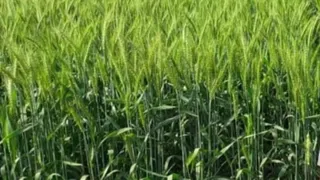
Panipat’s rising heat is a serious concern for the district’s crops. Experts warn that high temperatures could cause wheat grains to shrink. This shrinkage might lead to lighter grain weight and lower overall yields for farmers.
Agricultural expert Dr. Satpal Singh explained that prolonged periods of above-normal temperatures can stunt grain development. This directly impacts crop production. “If the temperature stays high for too long, the wheat grains might not grow to their full size,” he noted.
However, the current weather offers some hope for other crops. Farmers anticipate better yields for sugarcane, maize, and paddy. These crops are less affected by the heat. In fact, warmer conditions can even help them grow.
Farmers have received advice to focus on irrigation. High temperatures and low rainfall mean crops need careful watering. “Timely and sufficient watering is key to keeping the crops healthy and growing well,” Dr. Singh advised.
Leafy vegetables and pulses face a different threat. The heat increases the risk of diseases and pests. Farmers should take prompt action to manage these issues. This includes using pest control and disease management strategies.
Wheat Crop Under Threat
The primary concern remains the wheat harvest. The heatwave is putting significant stress on the developing grains. Experts are monitoring the situation closely. The potential for reduced grain size is a major worry for the agricultural community.
Other Crops Benefit from Heat
In contrast, crops like sugarcane, maize, and paddy are showing resilience. The warmer weather is seen as beneficial for their growth cycles. This offers a silver lining for some farmers amidst the wheat concerns.
Irrigation and Pest Management Crucial
Farmers are urged to prioritize irrigation for all crops. The combination of heat and lack of rain demands extra attention to watering. For vegetables and pulses, vigilance against pests and diseases is essential. Early detection and intervention are recommended to prevent significant damage.